RECYCLING magazine
  • Subscribe
  • Log in
    • en
    • de
  • Markets & Industries
  • Politics & Law
  • Science & Technology
  • Magazine
  • Market22 Apr 26

    Adapt to dynamics

    No one has been talking about Germany as a recycling world champion for a long time. But the question still arises as to where Germany is positioned in the circular economy in an international comparison. On the basis of patent applications, Prognos tried to answer this question on behalf of the Bertelsmann Stiftung with the study "Innovation Analysis of the Circular Economy".

  • Science22 Apr 26

    Transformation or alibi for progress?

    Actually, everyone can agree on a circular economy, but it still doesn't really want to work. Yannik Gehlen from TU Darmstadt argues in his essay "Between System Change and Self-Deception: Four Theses on the Ambivalence of the Circular Economy" that a "cultural change of perspective" is the basis for the success of the circular economy.

  • Market22 Apr 26

    Recycling is not enough

    The expansion of electromobility shifts industrial value creation towards batteries and critical raw materials such as lithium, nickel, cobalt and graphite, which are becoming strategic resources. Electric vehicles require significantly more mineral raw materials than combustion engines, which increases cost risks as well as environmental and social challenges in global supply chains. As a result, the previously linear battery value chain is reaching its limits. Recycling is an important solution component, but cannot cover the increasing demand for materials in the short term alone. The Ellen MacArthur Foundation's report "Leading the charge: Turning risk into reward with a circular economy for EV batteries and critical materials" shows that a systemic approach is needed that combines recycling with battery design, use, secondary use and new business models.

Market & Industries

More on Market & Industries
  • Market22 Apr 26

    From residual material to key resource

    Biogenic waste and residues are becoming increasingly important in the course of the transformation towards a climate-neutral circular economy. The report "Recycling of Biogenic Waste and Residues - Carbon Source, Bioenergy & Negative Emissions" by the German Biomass Research Center examines current developments, technological approaches and political framework conditions along the material and energetic recycling of biogenic residues and shows what role waste and recycling management will play in defossilization, resource efficiency and a circular bioeconomy in the future. The report was published in "Austrian Water and Waste Management".

  • Market22 Apr 26

    Regional energy instead of imported gases

    Biogas is often underestimated in the energy policy debate or treated as an obsolete model. However, the study "Future Prospects of the Biogas Industry", which was prepared by the Institute for Future Energy and Material Flow Systems on behalf of the German Biogas Association, shows that as an energy and carbon carrier from residues and waste materials, biogas can make a key contribution to the energy transition and the circular economy.

  • Market22 Apr 26

    No people, no circular economy

    The transformation to a circular economy poses far-reaching challenges for industry, educational institutions and policymakers. The chemical industry and materials science in particular play a central role in this: they create the technological and scientific prerequisites for using materials more efficiently, making products more durable and closing material cycles. The report "Jobs and skills for a circular economy: a cross-sector perspective from the chemical and materials science and engineering communities" summarises key findings from a joint study by the Institution of Chemical Engineers (IChemE), the Institute of Materials, Minerals and Mining (IOM3) and the Royal Society of Chemistry (RSC). The focus is on changes in the need for skills, the demands on educational pathways, difficulties in recruiting skilled workers and the political options for action.

  • Market22 Apr 26

    More use, less emissions

    The production of information and communication technologies generates high levels of greenhouse gas emissions, while the useful life of many devices is becoming ever shorter. The study "Greenhouse Gas Savings through the Reuse of Selected ICT Devices" conducted by Fraunhofer Umsicht uses a life cycle analysis to investigate the extent to which the reuse and refurbishment of smartphones, tablets, laptops and desktop PCs can contribute to reducing these emissions.

  • Market22 Apr 26

    Hidden paths of e-waste

    The increasing quantities of waste electrical and electronic equipment are posing considerable challenges for policy-makers, businesses and waste management systems worldwide. An effective circular economy requires that both formal and informal material flows are transparently recorded and quantified. Using the Netherlands as an example, the study "Improving WEEE monitoring: insights from the Netherlands" conducted by Dutch scientists analyses how an almost closed monitoring system for WEEE can be established, which data gaps still exist, and which measures are suitable to improve the recording of informal flows in the future. The study was published in the journal "Resources, Conservation & Recycling".

  • Market22 Apr 26

    Cooperation instead of disruption

    Japan is considered a recycling pioneer with a high level of technical competence and a pronounced sense of efficiency. But how is the circular economy model developing there beyond conventional recycling? The study "Circular business models in Japan: Analysis of circular business transformation through an institutional approach" conducted by researchers from the Netherlands and Japan shows that the transformation is less disruptive and more cooperative. The study was published in the journal "Sustainable Production and Consumption".

More on Market & Industries

Subscribe to the newsletter!

Sign up to receive monthly updates on the latest trends, legislation, practical reports and more information on recycling and waste management.

✓ Over 5.000 professionals already signed up

Politics & Law

More on Politics & Law
  • Politics22 Apr 26

    Ambitious, but not yet sufficient

    With the Zero Pollution Action Plan, the European Union is pursuing the goal of reducing environmental pollution to a level that is harmless to humans and nature by 2050. The mid-term review presented by the European Commission shows that significant progress has already been made in individual areas, but at the same time structural deficits in implementation, governance and policy integration remain.

  • Politics22 Apr 26

    Circular economy as a fig leaf

    The report "Nature Positive: Role of the Technology Sector" presented by the World Economic Forum positions the digital and technology industries as potentially key players in the protection of biodiversity and natural resources. The report is embedded in the international "Nature Positive" narrative, which has increasingly served as a guiding principle for business and politics since the Kunming-Montreal Global Biodiversity Framework. According to the report, the tech sector should not only reduce its own environmental impact, but also contribute to the ecological transformation of other industries through digitalisation, data availability and efficiency gains. This perspective is ambitious - and of immediate importance for the circular and waste management industry.

  • Politics25 Mar 26

    Smart waste instead of rigid systems

    Increasing waste volumes, ambitious recycling quotas and growing cost pressure pose funda-mental challenges for municipalities and waste management companies. Artificial intelligence and the Internet of Things are opening up new ways to make collection, sorting and material flow control more efficient, transparent and sustainable. The study "Revolutionizing urban solid waste management with AI and IoT: A review of smart solutions for waste collection, sorting, and recycling" by a Saudi Arabian scientist shows how digital systems can evolve from an addi-tional technological benefit to a strategic key for the circular economy.

  • EU25 Mar 26

    Turbo or snail's pace?

    And once again, the EU wants to speed things up. This time, the "Industrial Accelerator Act" is to be about selected industrial sectors. The main focus is on public procurement and approval procedures.

  • EU25 Mar 26

    Circularity as an industrial policy of the future

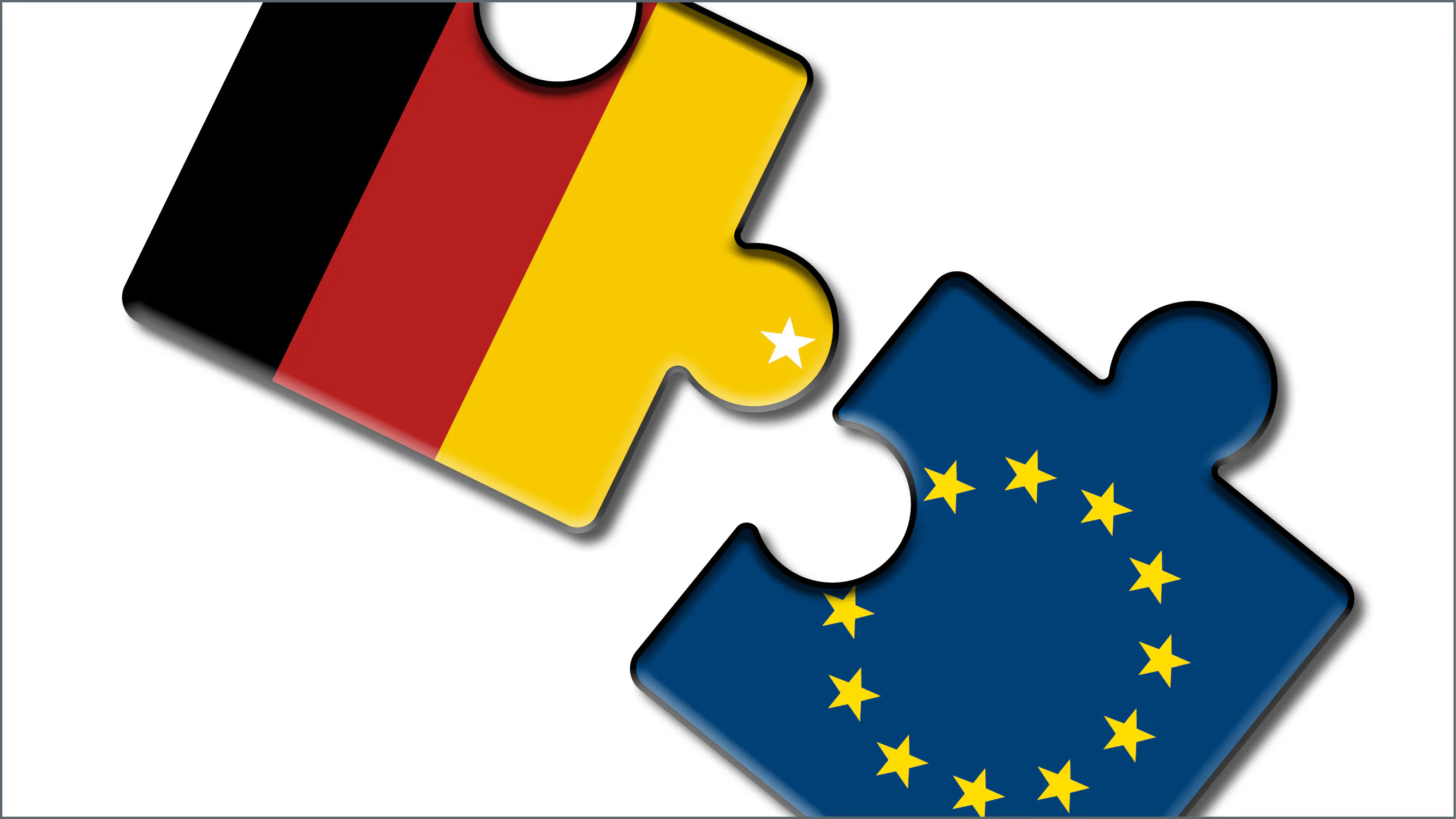
    Where does Germany stand in terms of the circular economy and what about the European goals? The Bertelsmann Foundation's study "Circular Economy Strategies of the EU and Germany in Comparison" examined the status quo in Germany. In addition, it was examined whether the German targets correspond to those of the EU.

  • Politics25 Mar 26

    Separate fees for separate destinations

    Extended producer responsibility is considered the backbone of European recycling policy. But while collection and recycling rates are increasing, waste volumes continue to grow, while reuse and repair remain structurally underfunded. As part of the planned Circular Economy Act, Zero Waste Europe pro-poses a fundamental realignment of extended producer responsibility in the policy brief "Extended Pro-ducer Responsibility (EPR) for waste reduction".

More on Politics & Law

My article overview

My article overview can only be accessed if you are logged in.

Log in

or make an account

Science & Technology

More on Science & Technology
  • Market22 Apr 26

    AI, climate and new jobs

    Digitalisation, artificial intelligence and the ongoing transition to a climate-neutral economy are changing business models, production processes and job profiles worldwide. The World Economic Forum's "Future of Jobs" report shows just how much the labour market is set to change by 2030.

  • Science22 Apr 26

    Recycling needs strong ecosystems

    Recycling has long been more than just waste recycling. With increasingly strict regulatory requirements, growing recyclate quotas and the pressure to decarbonise, the role of the industry is changing fundamentally. What is needed is not only efficient processes, but also the ability to build and control functioning circular ecosystems. The study "A dynamic capabilities framework for building circular ecosystems by focal firms" conducted by Spanish and Brazilian researchers shows which strategic competencies companies need in order to do so and why recycling companies in particular can play a key role in the process.

  • Science25 Mar 26

    Physics instead of chemistry

    E-waste is one of the most recyclable, but at the same time technically most demanding waste streams worldwide. In view of rising raw material prices, growing quantities and stricter environmental require-ments, classic, chemical-intensive recycling processes are coming under increasing pressure. Reagent-free technologies based on physical separation principles promise higher energy efficiency, lower emissions and new ways in urban raw material extraction. The study "Review of Reagent-Free Electronic Waste Recycling: Technology, Energy, Materials and Spatial Effects" by scientists from Kazakhstan and Croatia analyzes the state of the art and evaluates industrial perspectives. The study was published in "Recycling".

  • Market25 Mar 26

    Save resources, secure value creation

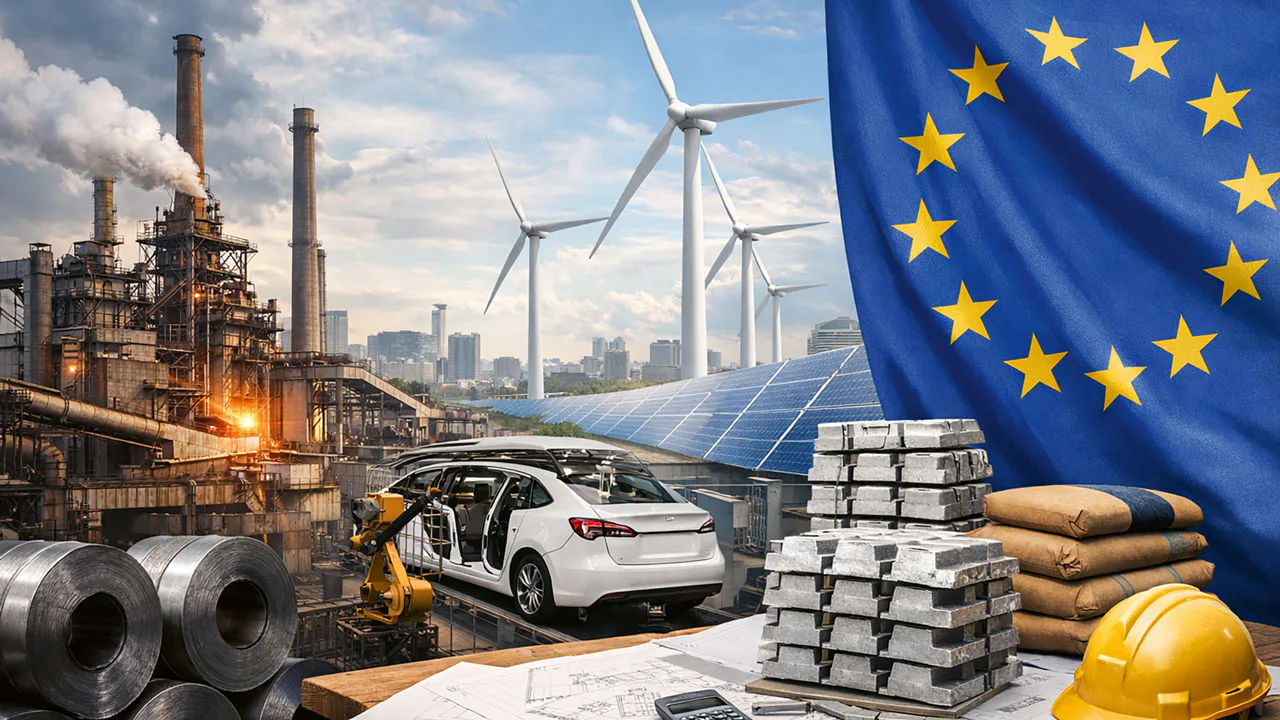
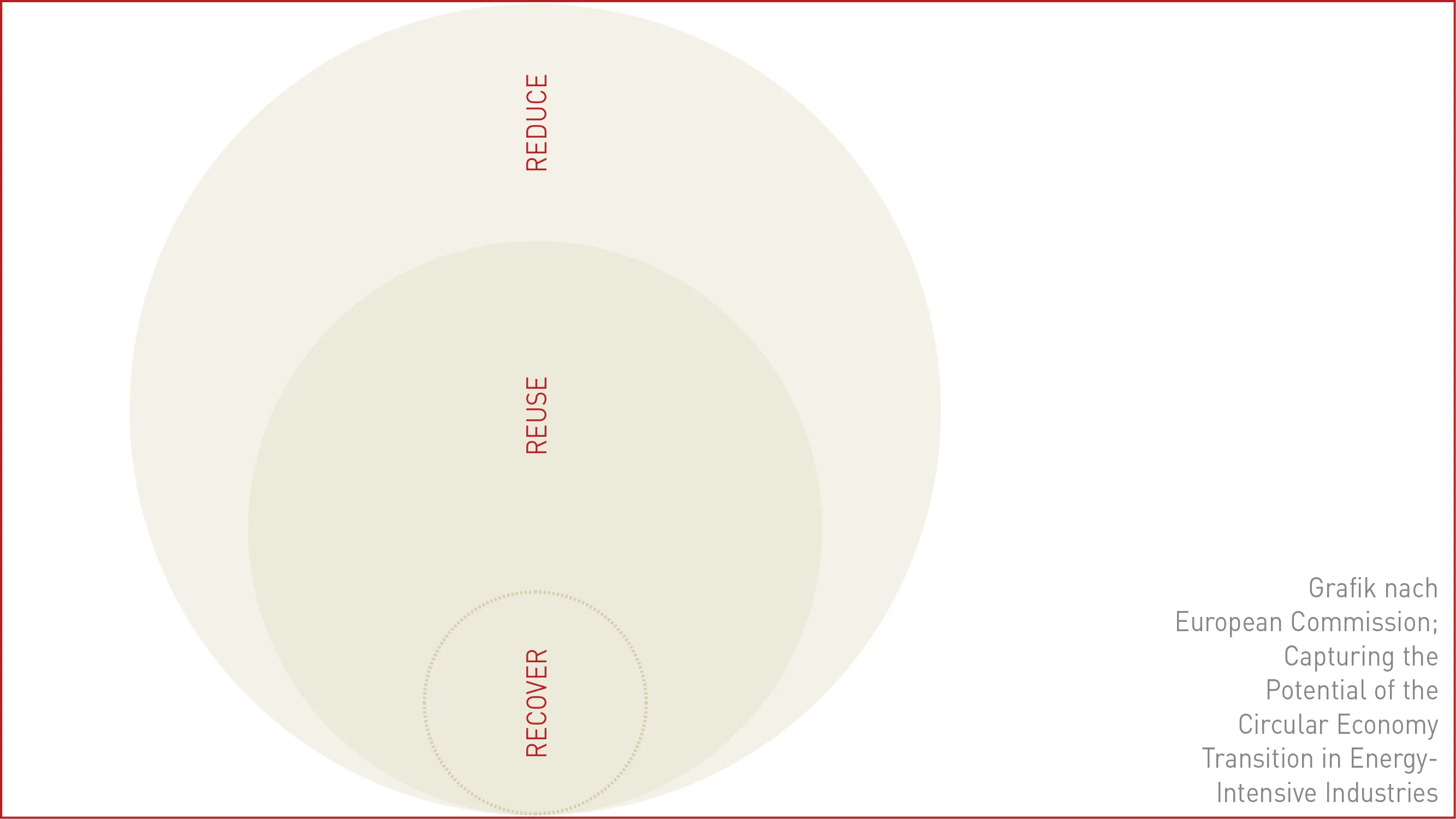
    The transformation to a climate-neutral industry is increasing the pressure on energy-intensive sectors such as steel, aluminum, cement and plastics. At the same time, the importance of the circular economy is increasing as it reduces emissions, reduces resource dependencies and strengthens economic resilience. The JRC study "Capturing the Potential of the Circular Economy Transition in Energy-Intensive Industries" shows what additional decarbonisation potential can be unlocked through circular measures and what political framework conditions are necessary for this.

  • Plastics15 Feb 26

    Microplastics as a risk and resource

    Plastics are essential materials in everyday modern life, but their durability and versatility lead to considerable stress for both the ecology and human health. Through physical, chemical and biological processes, they break down into micro- and nanoparticles that can be detected in soils, waters and the atmosphere. At the same time, there is increasing evidence of toxicological effects such as inflammatory reactions, oxidative stress and endocrine disruptions, while the long-term health consequences remain largely unclear. Against this background, strategies to reduce plastic input, develop standardised detection methods and promote sustainable recycling and upcycling technologies are of essential importance. The study "From Harm to Hope: Tackling Microplastics' Perils with Recycling Innovation" conducted by Italian scientists provides an overview of the formation, detection and health relevance of microplastics as well as current approaches to the circular economy. The study was published in the journal "Molecules".

  • Biomass15 Jan 26

    From food waste to bioplastics

    Food loss and waste is a major sustainability problem as it consumes resources and causes environmental pollution. At the same time, the plastics industry is looking for alternatives to petroleum-based plastics.

More on Science & Technology
  • Subscribe
  • Newsletter
  • Contact

Legal Informations

  • Legal notice
  • Privacy policy
  • Terms and conditions
  • Cancellation

RECYCLING magazine

  • Our Team
  • About us
  • Newsletter
  • FAQs

Quicklinks

  • Subscriptions
  • Mediakit

RECYCLING magazine provides independent, deeply investigated information about all aspects of secondary raw materials.
The magazine has a long track record, it has a history of more than 70 years. The following terms and conditions apply to the use of this website: Terms and Conditions, Privacy Policy and Cookie Policy.